Global Shift Elevates DEI as a Strategic Imperative in the C-Suite
March 20, 2026 – Diversity, equity, and inclusion (DEI) are increasingly moving from corporate initiatives to core elements of business strategy as organizations respond to evolving workforce expectations and market demands. Companies are under growing pressure to demonstrate measurable progress, particularly at the leadership level, where representation and decision-making have the greatest impact on culture, performance, and long-term growth.
In 2026, diverse perspectives serve as catalysts for innovation; equity is a strategic imperative than a mere buzzword; and inclusion stands to be the critical element driving organizational harmony, according a recent report from EMA Partners. “The era of relegating diversity, equity, and inclusion initiatives to HR side projects is firmly behind us,” the study said. “In a landscape where both customers and employees demand accountability and progress, companies that fail to lead in DEI risk falling irreversibly behind.

EMA Partners pointed out some global examples: Often we don’t realize the impact but smaller nations such as Luxembourg (5684 cases per million) and Iceland (5196 cases per million) are hit equally hard when compared to other European countries. 13 out of 15 most severely hit countries are from Europe. In India, there are 13 cases per million so far.
“DEI in leadership is more than optics – it’s smart business,” the EMA Partners report explained. “It unlocks new talent, skills, ideas, and perspectives, aligning with diverse customer bases and boosting engagement. Studies show that companies with diverse executive teams are 36 percent likelier to outperform on profitability. In India, DEI must address socio-economic dynamics embracing gender, language, region, religion, sexual orientation, and physical abilities. Effective DEI requires cultural understanding to create genuinely inclusive workplaces. The key is not policies but weaving the threads of DEI within organizational culture where all individuals can thrive.”
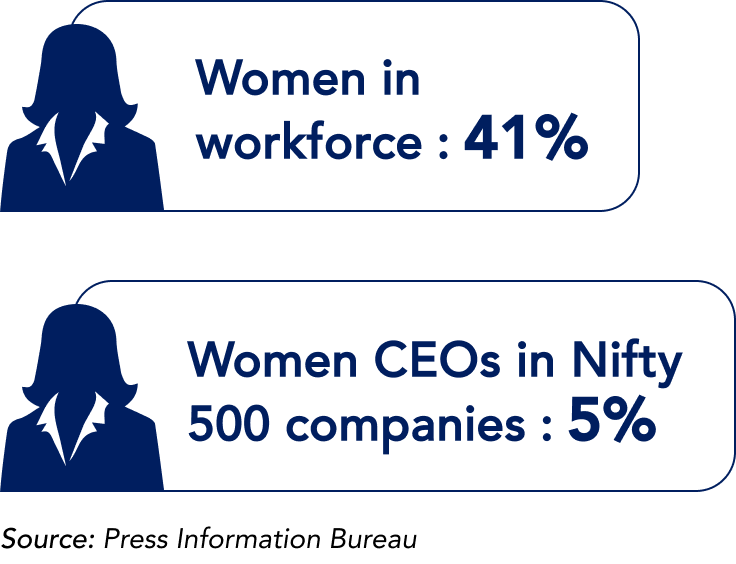
Women’s workforce participation in India is more than 40 percent, catching up to the global average of 50 percent last year EMA Partners noted that this rising tide of female employment reflects the growing emphasis on diversity and inclusion across industries. The BFSI and IT-ITeS sectors lead the charge in offering diversity jobs followed by healthcare, e-commerce, and education. Cities like Bengaluru, Delhi-NCR, and Mumbai are at the forefront, creating job opportunities for women, persons with disabilities (PwD), and the LGBTQIA+ community.
“While board diversity has improved partly due to Securities and Exchange Board of India’s mandate for at least one female director, some companies have gone a step further and appointed multiple women board members, signaling deeper D&I commitment,” the EMA Partners report said. “However, gender diversity at senior executive levels remains a challenge. While women form a substantial part of the workforce, they occupy less than 20 percent of C-suite positions in India—a stark “drop to the top.” Hardly two percent of Fortune 500 companies in India have women managing directors/CEOs.”
Related: Achieving Diversity in Private Equity
While 95 percent of NIFTY 500 companies have at least one female board member, fewer than five percent have female chairpersons, and more than 300 of NIFTY 500 companies lack women in key managerial personnel (KMP) roles. EMA Partners’ past study of India’s top 200 listed companies highlighted incremental progress: more than 40 companies have female KMPs with over 60 women in key executive roles. However, of the 213 KMPs who earned over $1 million in fiscal year 2023-24, only nine were women. Despite initiatives like the Companies Act and SEBI mandates driving board diversity, significant gaps remain in equitable representation in senior leadership across sectors.
PwD and LGBTQIA+ Inclusion
Beyond gender, the inclusion of under-represented groups like PwD and LGBTQIA+ individuals in leadership roles remains minimal, according to the EMA Partners report. Only about 10 percent of PwD in India are employed, with negligible visibility in senior positions. “The Rights of Persons with Disabilities Act, created in 2016, aimed to improve employment access and some organizations have adopted inclusive practices, such as accessible office spaces, gender-neutral restrooms, and assistive technology,” the report said. “However, high costs and limited awareness hinder widespread adoption. Creating disability-inclusive workplaces requires policy support, infrastructure investment, and cultural sensitization. LGBTQIA+ inclusion has gained momentum since the decriminalization of homosexuality in 2018, but social biases persist, limiting participation, especially in senior roles.”
 Implementing DEI: A Strategic Necessity for Executive Leaders
Implementing DEI is essential because it fosters innovation, enhances employee satisfaction, and drives business success by embracing diverse perspectives and creating an inclusive environment. A new report from Sheffield Haworth outlines the trends driving DEI and offers a framework for leaders to establish where their organizations are in their DEI journeys and help them to work out which specific steps to take next.
While interviewing, mitigating biases such as stereotyping, affinity, and confirmation biases, EMA Partners explained that it is crucial for fostering diversity; implementing structured interviews, blind resume screening, and inclusive job descriptions can ensure a fair and objective recruitment process that supports broader inclusion efforts. “Addressing these gaps requires a cultural shift that normalizes diversity in sexual orientation and gender identity,” the report said. “Low participation rates of women, LGBTQIA+ individuals, and PwD at junior levels translate to scarce leadership talent and abysmally low representation at the board, compounded by cultural barriers and stereotypes hindering equitable hiring and promotions.”
Diversity in the Boardroom
EMA Partners also pointed out DEI’s uphill battle in the boardroom and presented five challenges:
1. Unconscious Bias. Implicit biases and stereotypes often hinder the advancement of diverse talent, resulting in overlooked opportunities for diverse candidates, perpetuating homogeneity at the top.
2. The Pipeline Problem. Not preparing diverse talent for leadership roles exacerbates underrepresentation while challenges like societal pressures, caregiving responsibilities, workplace harassment, and physical safety concerns further hinder their progress.
3. Limited Representation. Lack of diverse voices in the C-suite makes it harder to champion and implement DEI initiatives that reflect the experiences of all employees.
4. Perceived Trade-offs. When DEI is viewed as conflicting with performance goals, demonstrating its benefits for innovation, customer satisfaction, and competitiveness becomes critical.
5. Retention, Promotion, and Inclusive Policies. Lack of comprehensive DEI policies with fragmented initiatives fail to address the structural inequities in hiring, retention, and promotion.
Advancing DEI
Implementing actionable strategies would pave the way to advance DEI, according to the EMA Partner report. “Organizations to create development programs supporting workforce re-entry, mentorship, and leadership opportunities for underrepresented groups, including tailored initiatives to strengthen the diverse talent pipeline and prepare future leaders,” it said.

EMA Partners offered some addition guidance for advancing DEI:
- Inclusive Hiring Practices. Reduce biases in hiring through inclusive job descriptions, diverse panels, and AI-based talent assessments to ensure fair evaluations and representation.
- Policy Changes. Non-discrimination policies, flexible work arrangements, and childcare benefits help retain diverse talent ready for leadership roles. Regularly revise recruitment, promotion, and succession policies to ensure equal opportunities.
- Measurable Metrics. Set clear goals and track recruitment diversity, retention rates, pay equity, and employee satisfaction enabling organization to measure progress and identify areas for improvement in its DEI efforts. Infuse DEI as KRAs for leaders to significantly improve outcomes.
- Leadership by Example. C-suite executives to demonstrate commitment to DEI through actions, fostering an inclusive organizational culture. Appointing Chief Diversity Officers with a clear mandate could aid in driving DEI strategy.
- Early Pipeline Development at Grassroots. Invest in long-term initiatives to diversify talent pipelines by forging industry-academia partnerships that enhance curricula, mentorship, and internships equally across all fields of education. Launch early outreach programs to spark interest of diverse students in STEM programs and careers.
“As global and local pressures intensify, boardroom mindset must evolve to recognize DEI in leadership as a strategic asset,” the EMA Partners report concluded. “Only then will corporate leadership genuinely reflect the diverse and dynamic world it seeks to lead.”
Related: The Importance of Setting Proper Diversity Targets
Contributed by Scott A. Scanlon, Editor-in-Chief; Dale M. Zupsansky, Executive Editor – Hunt Scanlon Media