How Talent Diligence is Becoming a Priority for Private Equity Firms

May 8, 2026 – Private equity firms are facing growing pressure to reduce execution risk as holding periods lengthen and operational performance becomes more critical to investment outcomes. In response, investors are placing greater emphasis on leadership evaluation earlier in the deal process, recognizing that management capability can have a direct impact on value creation, speed to scale, and long-term returns. The shift reflects a broader trend across the market toward more proactive talent assessment strategies designed to identify potential leadership gaps before they affect performance.
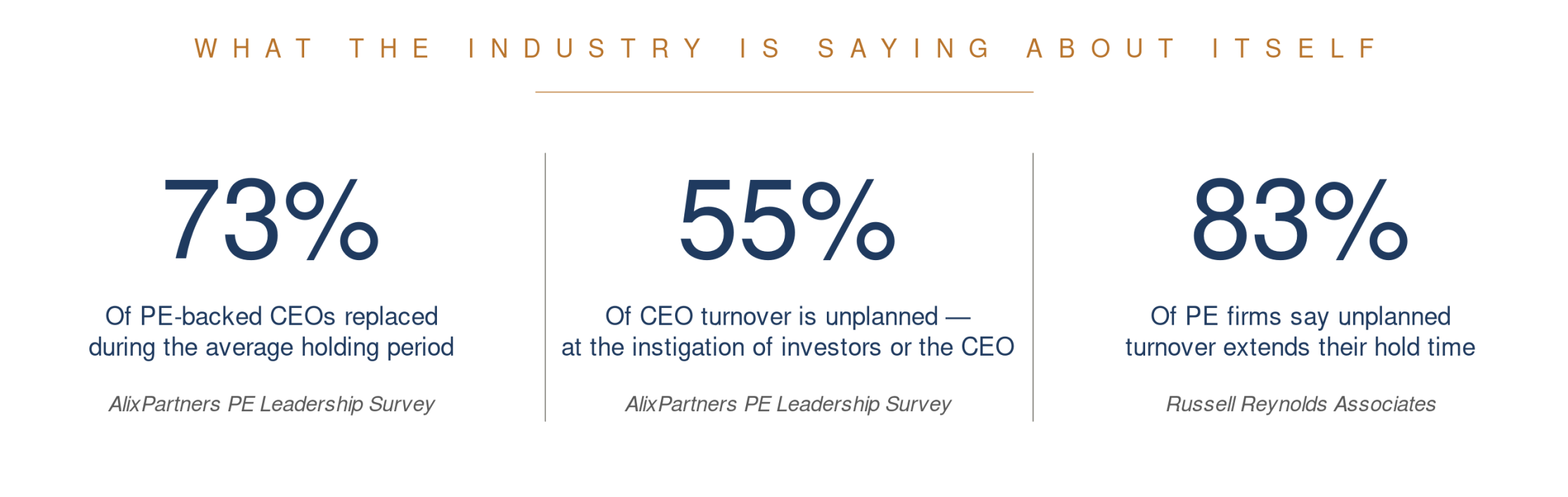
“Every PE fund I work with goes into a deal believing in the management team,” Clark Beecher, global managing partner and co-founder of Beecher Reagan, said in a recent report. “Most of the time, they’re right. But across the industry, the rate of leadership resets in the first 18 months still runs high.” AlixPartners’ annual PE leadership survey puts the figure at 73 percent of CEOs replaced during the average holding period, with 55 percent of those changes unplanned.

“The answer comes down to timing and positioning,” Mr. Beecher said. “Pre-close talent diligence is genuinely hard to do well. The deal partner is racing toward a close, and the management team is already negotiating their go-forward role. Layering a structured leadership assessment onto that sequence can feel like introducing risk at the worst possible moment. So most funds default to “we’ll figure it out later.”
That instinct is understandable, but the cost of it shows up six to twelve months down the road, according to the Beecher Reagan report. “When it does, the team has already underperformed, the value creation timeline has slipped, and any leadership change has to happen in a reactive posture,” it said. “It’s not that nobody could have seen it coming. The system just isn’t set up to look. Private equity is built on the math. But every deal partner I know will tell you the math isn’t what keeps them up at night — it’s the talent.”
McKinsey’s research on PE value creation finds that fund executives cite leadership as their top priority for returns 60 percent more often than efficiency and 90 percent more often than bolt-on M&A. “The numbers are reliable,” the Beecher Reagan report said. “People are not. Closing that gap is what headlights are designed to do.”
What Headlights Actually Mean
Headlights mean seeing the road before you’re on top of the problem, the Beecher Reagan report explained. “They mean doing the leadership diligence upfront, instead of waiting for the car to hit the wall and then reading the accident report,” the study said. “Proactive visibility instead of reactive cleanup. If you want your investment to accelerate, you need clear sight lines into whether the team that got the business to $100 million is the same team that can get it to $300 million. There’s no track record of that until you go look for it.”
Why It’s Hard To Fit In
“The reluctance is real, and I understand it,” Mr. Beecher said. “The deal partner is under pressure to close. The management team is already in a delicate spot. Adding a structured leadership assessment into pre-close diligence introduces work, conversations, and timing risk into an already-loaded sequence. So funds default to figuring it out later. A few do come back and revisit leadership in the first 90 days post-close. Most never quite get to it — other priorities take over.”
And the gap isn’t small. Research cited across the industry finds that 72 percent of deal teams later admit they overestimated the target company’s ability to execute their post-acquisition growth plan. The team they were sure could deliver, sometimes can’t — and the moment of clarity comes later than anyone wants, the Beecher Reagan report explained.
Related: Private Equity Turns To Leadership Diligence To Gain A Sharper Edge
“The pattern that follows is consistent,” Beecher Reagan said. “The deal closes. The team underperforms. Six to twelve months in, the fund acts. Leadership gets replaced in a reactive posture, with the business already under pressure and the board already asking questions. None of those changes are cheap or quick, and none recover the time that’s been lost. The diligence work is days. The cost of skipping it is quarters. That asymmetry is what makes the case.”
What Effective Diligence Looks Like
Done right, leadership diligence isn’t an exam, according to Mr. Beecher. “It’s a conversation,” he said. “The fund gets clarity on who they have, what each leader’s strengths and gaps are, and what kind of targeted support each one will need to perform in the new environment. The leaders themselves get something out of it too — honest data on how they show up, what they’re good at, and where the role is going to stretch them. That information is rarely available to them in their current seat.”
This is where the Verity Leadership Assessment Beecher Reagan developed with Kinavic Leadership Acceleration comes in. It’s structured. It’s developmental in posture, not punitive. And it surfaces the invisible traits that determine whether a leader is going to scale — the things resume don’t show.

How do they react to success? How do they respond to adversity? Which behaviors are strengths, and which could become derailers in this specific role?
“When the assessment is positioned as a mutual benefit, leaders engage,” Mr. Beecher said. “They want the data. The fund gets headlights. Everybody walks into year one with a plan, and the leadership team has a development path ready before the first board meeting.”
The Case For Spending The Days
The Beecher Reagan report noted that the choice in front of every PE fund pre-close is the same. “You can spend capital and time down the road replacing people if performance lags,” the firm said. “Or you can spend it assessing and developing the team you already chose to back. The data backs the second path.”
Related: The Private Equity Executive Talent Trends That Will Define 2026
Russell Reynolds finds that 83 percent of PE firms say unplanned CEO turnover extends their hold time, and 46 percent say it erodes the rate of return outright. “The diligence work is days,” the Beecher Reagan report said. “The cost of skipping it adds months or quarters to the value creation timeline.”

In private equity, the uncomfortable conversations are usually the ones that protect returns, Mr. Beecher concluded. “The good news is the conversation gets easier — and the case more obvious — every time a fund sees what proactive talent visibility actually delivers,” he said. “More than 90 percent of PE professionals say that delaying action on talent issues has hurt portfolio performance in the past five years. None of us would drive at night without headlights. Don’t put an executive to work without them either.”
Founded in 2009 by Mr. Beecher and Tim Reagan, Beecher Reagan is an executive search and leadership firm focused exclusively on senior professional services and the consulting talent market. The firm brings more than 100 years of combined experience to help professional services, Fortune 500 and alternative investment companies map search strategies to organizational goals. The partners at Beecher Reagan have longstanding relationships within the consulting, professional services, and private equity space.
Related: Vardis Finds PE CEOs Under Pressure, But Optimistic
Contributed by Scott A. Scanlon, Editor-in-Chief and Dale M. Zupsansky, Executive Editor – Hunt Scanlon Media